The Rise of Gyms in Canggu: A Reflection on Lifestyle Exports
- Nov 13, 2025
- 4 min read
Updated: Mar 22
Exploring the Fitness Boom in Bali
What happens when fitness becomes just another lifestyle export in a place once known for stillness? Inside the rise and saturation of gyms in Canggu.
Post-pandemic, Bali has experienced a wave of rapid development. Beach clubs, residential complexes, and restaurants steadily consume the island’s once-pristine natural landscapes. But perhaps the most surprising trend is the explosion of gyms and fitness centers, particularly in the already dense Canggu neighborhood.
By November 2025, within a 3 km radius, I counted almost 25 large gyms, not including smaller, unlisted fitness studios. Many offer nearly identical concepts: Mixed Martial Arts, CrossFit, Hyrox, boot camps, HIIT, mobility classes, yoga, and “booty burn” sessions. It’s worth noting that within this same zone, Canggu also hosts at least four padel gyms, each with 4–6 courts, alongside gym and recovery facilities that are increasingly treated as “must-haves” to impress gym-goers.

With such an abundant supply of fitness options, the question is no longer can you open a gym in Canggu; it’s why would you? What's the actual market size? Are there enough people consistently working out here? Or has the gym simply become a lifestyle accessory in a destination better known for culture and nature?
The Market Dynamics of Canggu Gyms
Even in major cities, just two gyms in the same shopping mall can spark unhealthy competition. The difference is that big cities serve millions of permanent residents. Canggu’s consumer base is smaller, highly transient, and largely driven by tourism. This makes oversaturation even riskier.
Of course, some gyms succeed not just because they offer workouts, but because they’ve become destinations in their own right. These businesses have clear identities, thoughtful programming, strong branding, and real communities. But many others? They launch without distinction. Same typefaces. Same packages. At some point, it begins to feel like they're opening simply because others did, riding a trend without asking whether it’s the right decision or whether they’re offering anything meaningful at all.
Over the past four years, I’ve watched Canggu transform significantly. Restaurants and cafes open at breakneck speed, many offering indistinct menus and copy-paste aesthetics, only to quietly shutter within months. Meanwhile, unregulated property development has skyrocketed across Bali. Just like with gyms, more supply doesn’t always mean more value. In fact, the Indonesian Hotel and Restaurant Association (PHRI) identified the unchecked growth of illegal villas as one of the key factors behind declining hotel occupancy in its May 2025 report. It’s becoming a pattern: overbuild, oversupply, and ultimately, underdeliver, especially when development isn’t guided by long-term thinking or proper regulation.
The Niche of Fitness in Bali
Gyms, unlike food or lodging, serve a specific niche. Not every tourist wants to train on vacation, but everyone needs a place to stay and eat. Many resorts, and even mid-range hotels, already offer fitness facilities. This makes the nonstop launch of standalone gyms even more questionable.
Still, the openings continue because they can. Land leases are relatively affordable, especially when rented in large plots. Gym memberships range from $10 USD for open access to $25+ USD for a full day with recovery perks. Monthly memberships start at $100 USD and can reach as high as $300 USD. To put that into perspective, Bali’s monthly minimum wage is just $187 USD. A single gym visit here could cost more than what a local earns in an entire day. It’s a telling contrast—one that makes it clear these gyms aren't built for the local community, but for visiting tourists chasing a lifestyle brand.
But just because something can be done doesn’t mean it should. Most of these gyms are less than four years old. Many have yet to be tested by time. And in an ecosystem already crowded with lookalike offerings, we need to ask: Is this sustainable? And is a purely capitalistic approach really the right fit for a place like Bali, where the native land, culture, and environment are already paying the price? The idea that “we’re contributing to the economy” is outdated. It’s a narrative that’s been played out for decades.

The Essence of Bali: Beyond Gyms
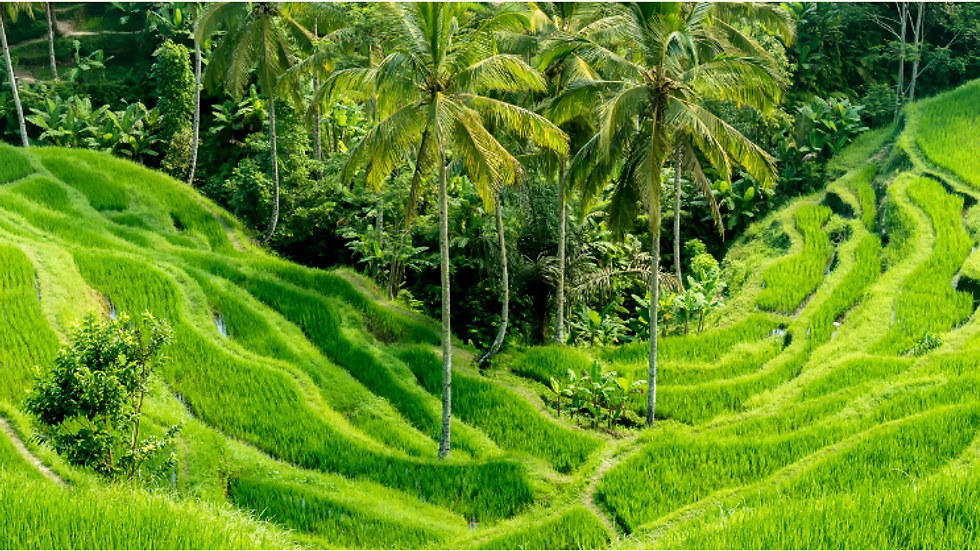
Bali has always been more than a destination. It’s a feeling of wind threading through rice fields, of golden sunsets, of quiet mornings, of land that breathes in rhythm with its people. But land is finite. And with each new gym, another green patch disappears, replaced by squat racks, ice baths, and saunas.
Yes, it’s still possible to build here. But should we? These are not modest builds. They require space, water, and electricity—resources this island was never meant to give away so freely.
And Bali isn’t just about its natural beauty. It’s about its people—warm, grounded, and full of quiet wisdom. Visitors come searching for that essence. Yet increasingly, what they find are gyms that could exist in any modern city. The contradiction is hard to ignore.
Canggu was once a quiet pocket where digital nomads came for affordability and balance. Today, it’s filled with beach clubs, resorts, restaurants, and gyms. I understand the intention. A healthy body, mind, and spirit align with what Bali has long stood for. People come here to unwind, to reset, to heal—or so they say. But the relentless proliferation of gyms is doing the opposite.
A Call for Reflection
Maybe it’s time we pause—not to stop growth, but to question its direction. To ask not what else we can build, but what still deserves to remain.
Because once it’s gone, we’re not just losing land; we’re losing Bali’s soul.
Note: This reflection is based on my firsthand observations of Canggu since the pandemic. It’s not meant to criticize entrepreneurship, but to offer a local perspective on the pace and shape of development. If you're exploring a business in Bali and value grounded, community-informed insights, I’m always open to thoughtful conversations.